
Creating a memorable logo is an important step in establishing a startup's visual presence. A well-designed logo communicates the character of a business through typography, colour, symbols and visual composition. However, effective startup logo design requires more than selecting an attractive icon or experimenting with popular design trends.
The startup logo design process involves understanding the business, researching competitors, developing creative concepts, selecting appropriate visual elements and testing the final design across different applications. This step-by-step guide explains how founders can approach logo development systematically, avoid common design mistakes and create a recognizable visual asset that supports their business as it grows.
For early-stage startups, a logo often becomes one of the first recognizable elements of their business. It appears on websites, mobile applications, investor presentations, social media profiles, packaging and marketing materials, helping audiences identify the company across different communication channels.
An effective startup logo supports visual recognition, establishes consistency and creates a professional first impression. Its design should reflect the business's personality while remaining flexible enough for future applications.
Although a logo alone cannot establish customer trust or guarantee business success, consistent visual presentation can contribute to brand familiarity over time. Startups benefit from developing a distinctive design that remains recognizable as their products, audiences and communication requirements evolve.

The first stage of the startup logo design process is understanding what the business represents and whom it intends to serve. Before exploring visual concepts, founders should clarify their business objectives, customer expectations, competitive environment and desired brand personality.
A useful logo design brief should identify the company's products or services, target audience, positioning, communication style and practical design requirements.
For example, a financial technology startup may prefer visual characteristics associated with clarity, stability and precision, while a children's educational platform may benefit from a more expressive and approachable design language.
Founders should also consider how customers will encounter the logo, including websites, mobile interfaces, packaging and presentations.
These strategic inputs provide direction for creative development. Rather than relying exclusively on personal preferences, designers can evaluate visual decisions against the startup's intended audience, market context and long-term business requirements.
Competitor research helps startups understand the visual conventions commonly used within their industries. Reviewing existing logos can reveal patterns in typography, colour palettes, symbols, composition and communication styles.
Begin by selecting five to ten relevant competitors, including direct competitors and businesses targeting similar audiences. Examine their logo structures, visual characteristics and applications across digital platforms.
Identify frequently used design elements and consider whether those conventions help customers recognize the business category.
However, following every industry trend can make a new logo appear indistinguishable from competing brands. The purpose of competitive research is not imitation but informed differentiation.
Startups should also assess emerging visual design trends carefully. Minimalist typography, geometric symbols and simplified icons may be appropriate in some situations, but long-term recognition depends on relevance, distinctiveness and consistent application rather than visual fashion alone.

Selecting an appropriate logo structure is an important creative decision. Different logo types offer different advantages depending on the startup's name, audience, communication requirements and intended applications.
The final choice should consider readability, memorability, scalability and consistency across different communication environments.
Once the creative direction is established, designers can begin exploring logo concepts through sketches, shapes, typography experiments and visual compositions.
Initial sketches allow multiple ideas to be evaluated before committing to detailed digital execution. Exploring different concepts can reveal opportunities to simplify forms, improve visual balance and communicate the startup's character more effectively.
Designers may apply Gestalt principles such as proximity, similarity, closure and figure-ground relationships to create cohesive visual compositions. Negative space can also introduce meaningful visual relationships when used purposefully.
Each concept should be evaluated against the original design brief rather than selected purely for decorative appeal.
Shortlisting two or three promising directions helps founders compare their strengths and limitations. The selected concept can then be refined through proportion adjustments, spacing corrections, typography development and testing across realistic applications.
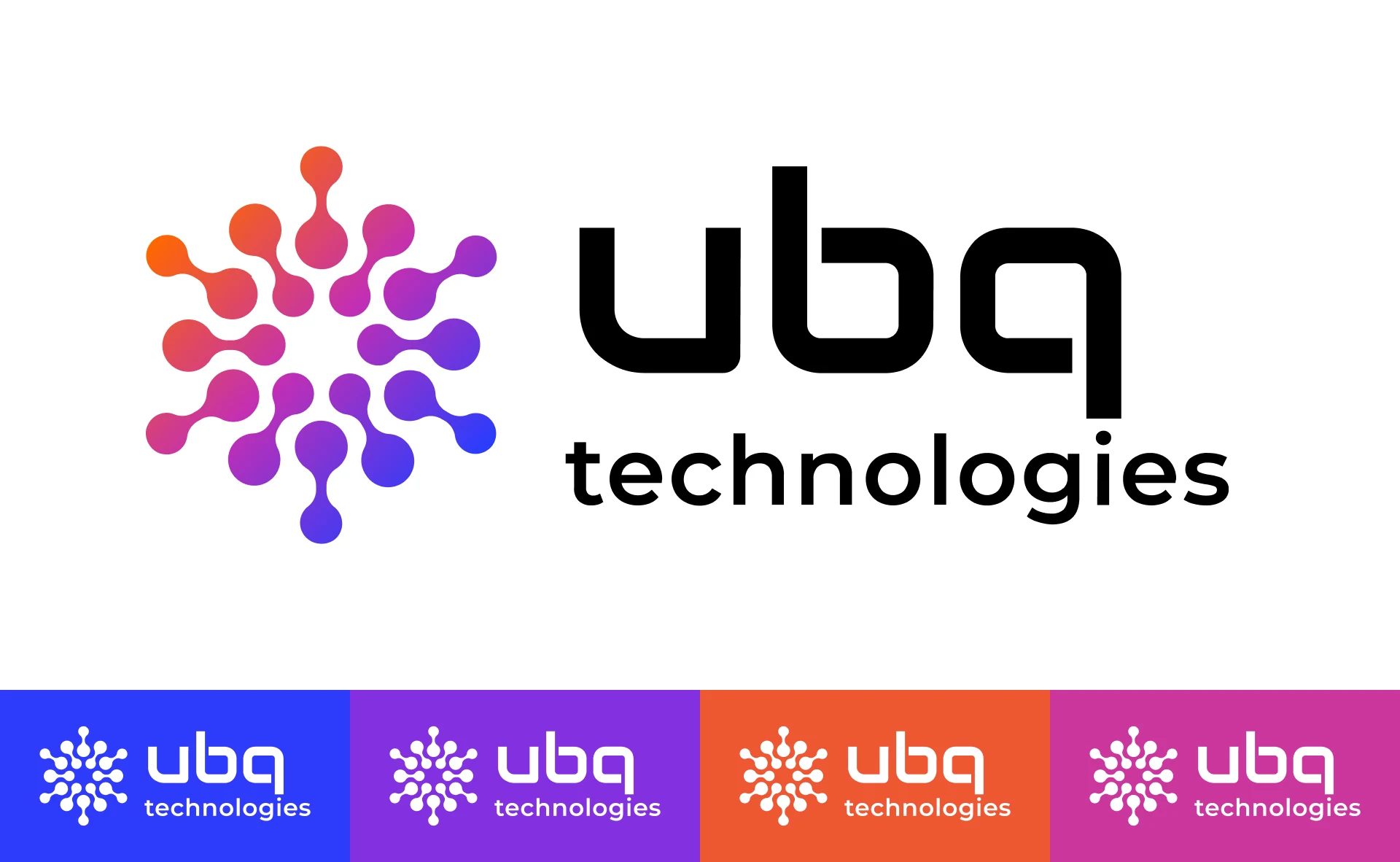
Typography and colour strongly influence how a startup logo is perceived. These elements should support the business's communication style while maintaining clarity across different formats.
Typography selection involves evaluating letterforms, weight, spacing, proportions and readability. A geometric sans-serif typeface may communicate a contemporary character, while a serif typeface may create a more traditional impression, depending on its design and context.
Colour selection should consider audience expectations, competitive differentiation and practical reproduction requirements. Rather than assuming that individual colours communicate universal meanings, founders should evaluate colour choices within their cultural and industry context.
Contrast is particularly important when logos appear on different backgrounds. Text-based logo elements should remain readable, while symbols should maintain sufficient visual separation.
A flexible logo system should include approved colour variations and alternatives suitable for monochrome reproduction.
A startup logo must remain recognizable across different sizes, platforms and applications. A design that looks effective on a presentation slide may lose clarity when reduced to a mobile application icon or website favicon.
Test the logo in full colour, black and white, and reversed formats to evaluate contrast, legibility and visual consistency.
Review how the symbol, typography and spacing perform on business cards, packaging, social media profiles, websites and printed communication materials.
A responsive logo system may require simplified variations for smaller applications. Fine details, complex gradients and narrow letterforms can become difficult to reproduce at reduced sizes.
Founders should also test the logo against light and dark backgrounds and examine whether its essential visual characteristics remain intact.
Testing these conditions before final approval helps create a flexible identity asset suitable for future business applications.
Once the logo design is approved, the next step is preparing production-ready files and documenting how the design should be used.
Startups should receive vector-based formats such as SVG and PDF for applications requiring scalability. PNG files with transparent backgrounds are useful for presentations, websites and other digital materials.
The final logo package should include approved colour variations, monochrome versions and appropriate horizontal or vertical arrangements where required.
Basic logo usage guidelines should explain minimum size, clear space, colour specifications, background compatibility and prohibited modifications.
For example, stretching the logo, changing its proportions or applying unapproved colours can weaken visual consistency.
A clearly organized asset library helps employees, vendors and external partners reproduce the logo correctly without repeatedly requesting new files.

Startup founders sometimes approach logo development as a quick visual exercise rather than a structured design process. This can result in avoidable problems that affect recognition, consistency and usability.
Avoiding these mistakes helps startups develop more adaptable and consistent visual identities.
Before approving a startup logo, founders should review the design against a practical evaluation checklist.
A structured review helps founders identify design weaknesses before launching the logo publicly.
Startups may benefit from professional design support when their logo needs to work across multiple customer touchpoints, communicate a distinct market position or support a broader visual identity system.
Professional designers can help translate business requirements into visual concepts, evaluate technical applications and prepare consistent design assets.
Founders requiring specialist logo development can explore DigiBrandX's professional logo design services in Mumbai.
For businesses developing a complete visual identity, the guide to building a startup brand identity explains how different brand elements work together.
Startups requiring broader positioning, identity development and launch support can also review DigiBrandX's startup branding services in Mumbai.
CTA: Explore Professional Logo Design Support
Planning Your Project?