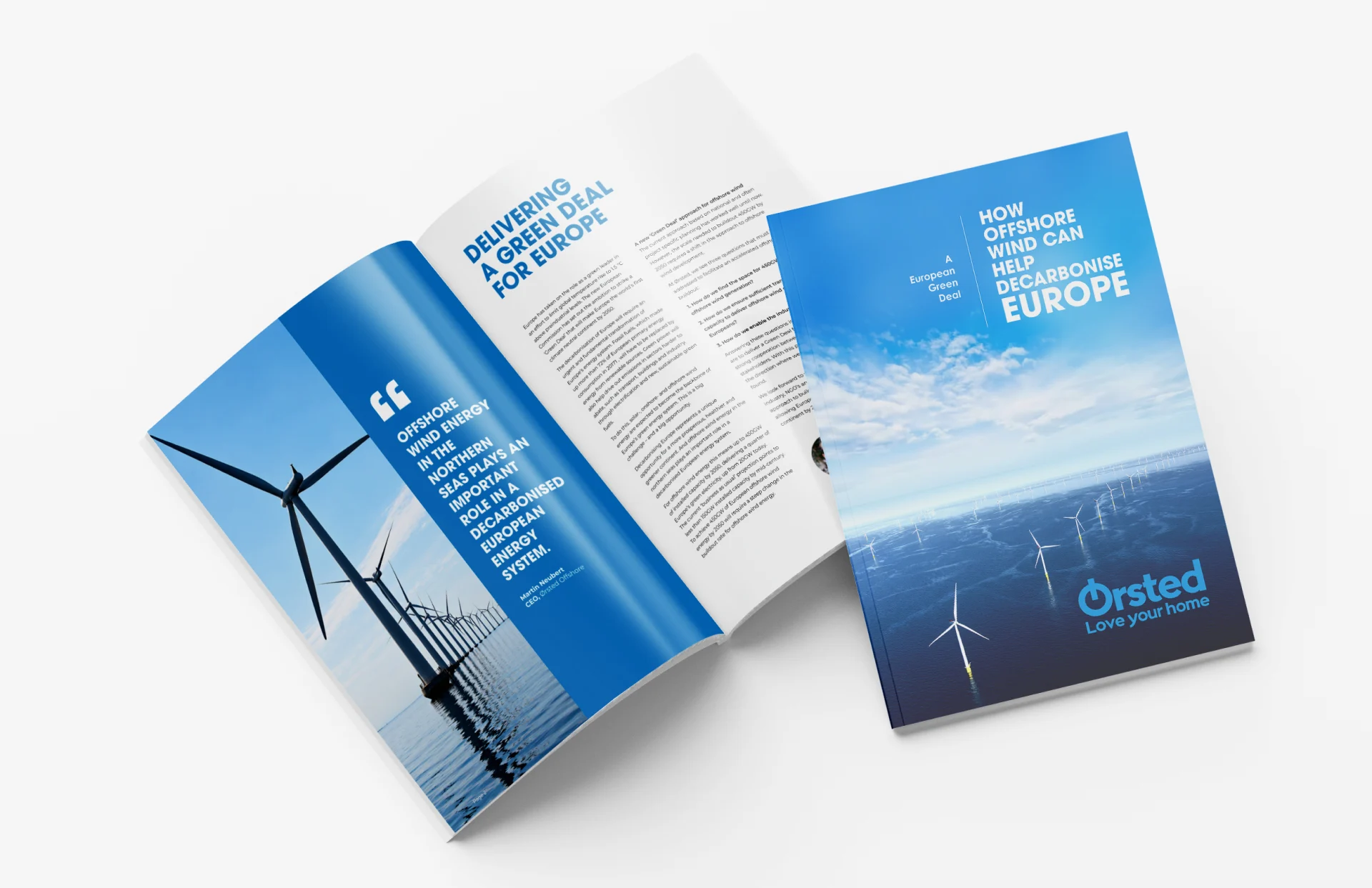
Planning a corporate brochure requires a strategic approach to content, structure and visual communication. Understanding how to plan a corporate brochure begins with defining business objectives, identifying target audiences and establishing clear brand messaging. An effective brochure combines information architecture, content hierarchy, compelling storytelling and consistent corporate identity to communicate business capabilities. Careful consideration of page sequencing, typography, imagery, layout design and calls to action improves readability and audience engagement. Whether developed for B2B marketing, company introductions or sales presentations, a well-structured corporate brochure supports professional communication, strengthens brand credibility and presents essential business information with clarity and purpose.
A corporate brochure should begin with clearly defined business communication objectives. Whether developed for sales presentations, investor communication, company introductions, exhibitions, product launches, or business development, its purpose determines the content strategy and information structure. Effective brochure planning considers the target audience, customer journey, key messages, and expected outcomes. As a marketing collateral asset, the brochure should communicate relevant business capabilities, establish credibility, and support informed decision-making. Defining its purpose early helps align corporate messaging with audience expectations and ensures every section contributes to a specific communication goal.
Connect brochure objectives with measurable business priorities, including sales enablement, lead generation, stakeholder engagement, and brand awareness, while maintaining consistent messaging across customer touchpoints.
Effective corporate brochure planning begins with understanding the intended readers and their information needs. Audience segmentation helps businesses organise relevant content around buyer expectations, stakeholder priorities and decision-making criteria. Procurement managers may prioritise technical specifications, certifications and supplier reliability, while corporate buyers evaluate capabilities, business value and service quality. Investors often seek financial stability, growth potential and organisational credibility. Channel partners may focus on product portfolios, distribution opportunities and operational support. Aligning brochure content with these distinct requirements strengthens B2B communication and improves information relevance.
Identify each audience's key questions, concerns and information priorities before developing content. Use clear messaging, supporting evidence and logical information hierarchy to help stakeholders evaluate your business confidently.
A well-planned corporate brochure should communicate the organisation’s positioning, value proposition and key differentiators with clarity. Begin by identifying the central message that defines the business, its capabilities and the value it delivers to customers. Support important claims with credible proof points, such as project examples, measurable achievements or relevant expertise. Maintain a consistent brand voice across service descriptions, corporate information and supporting visuals to strengthen message clarity and reader understanding.
Structure the brand narrative around the organisation’s purpose, customer challenges, solutions and strengths. Ensure each section follows a logical progression, using consistent terminology, tone and messaging. This approach creates a cohesive corporate story that connects business objectives with audience expectations.
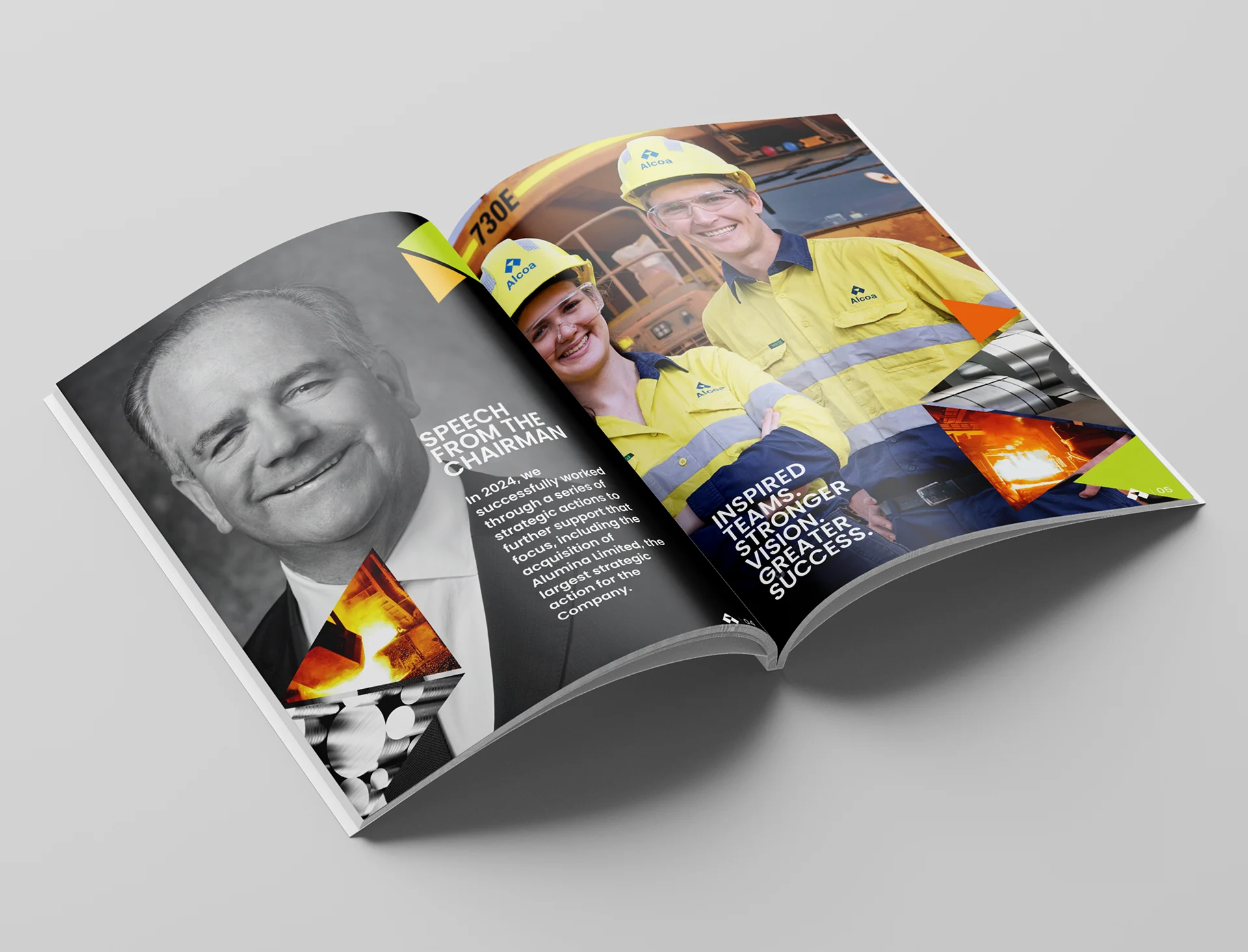
A well-defined corporate brochure content hierarchy helps readers understand a company's purpose, capabilities and value proposition without navigating excessive information. Effective content architecture organises business information according to relevance, establishing a logical editorial flow from introductory messaging to detailed services, supporting evidence and contact information. Clear headings, concise paragraphs and structured sections improve content readability and support natural scanning behaviour. Thoughtful section sequencing ensures that essential messages receive appropriate prominence while maintaining consistency across the publication.
Before developing layouts, identify the most important information for your target audience. Arrange content according to business objectives, reader expectations and decision-making priorities. This approach creates a structured foundation for visual communication and prevents unnecessary content duplication.
A well-organised corporate brochure page structure helps businesses communicate information clearly through logical page sequencing and purposeful content distribution. Begin with a compelling cover and brand statement on page one, followed by the company introduction and positioning on pages two and three. Pages four and five can highlight core services and capabilities, while pages six and seven present industry solutions and applications. Use pages eight and nine to showcase selected projects, achievements and supporting evidence. Pages ten and eleven should communicate business strengths and key differentiators. Conclude with contact information and a clear call to action on page twelve. Developing a brochure wireframe before finalising the editorial layout ensures consistent visual hierarchy, balanced content flow and effective corporate communication.
A corporate brochure's visual design direction should reflect the organisation's brand identity while supporting clear and structured communication. A consistent visual language connects colour palettes, typography, imagery, graphic elements and editorial layouts. Establishing a flexible grid system helps organise information, maintain visual balance and create a cohesive reading experience. Design decisions should consider audience expectations, content complexity and the brochure's intended communication purpose.
Translating corporate visual identity into brochure design requires consistent application of brand guidelines across every page. Typography hierarchy, colour relationships, image treatments and layout consistency should reinforce brand recognition without compromising readability. A well-defined design concept ensures that visual storytelling, content presentation and corporate messaging work together to communicate the organisation's character and values.
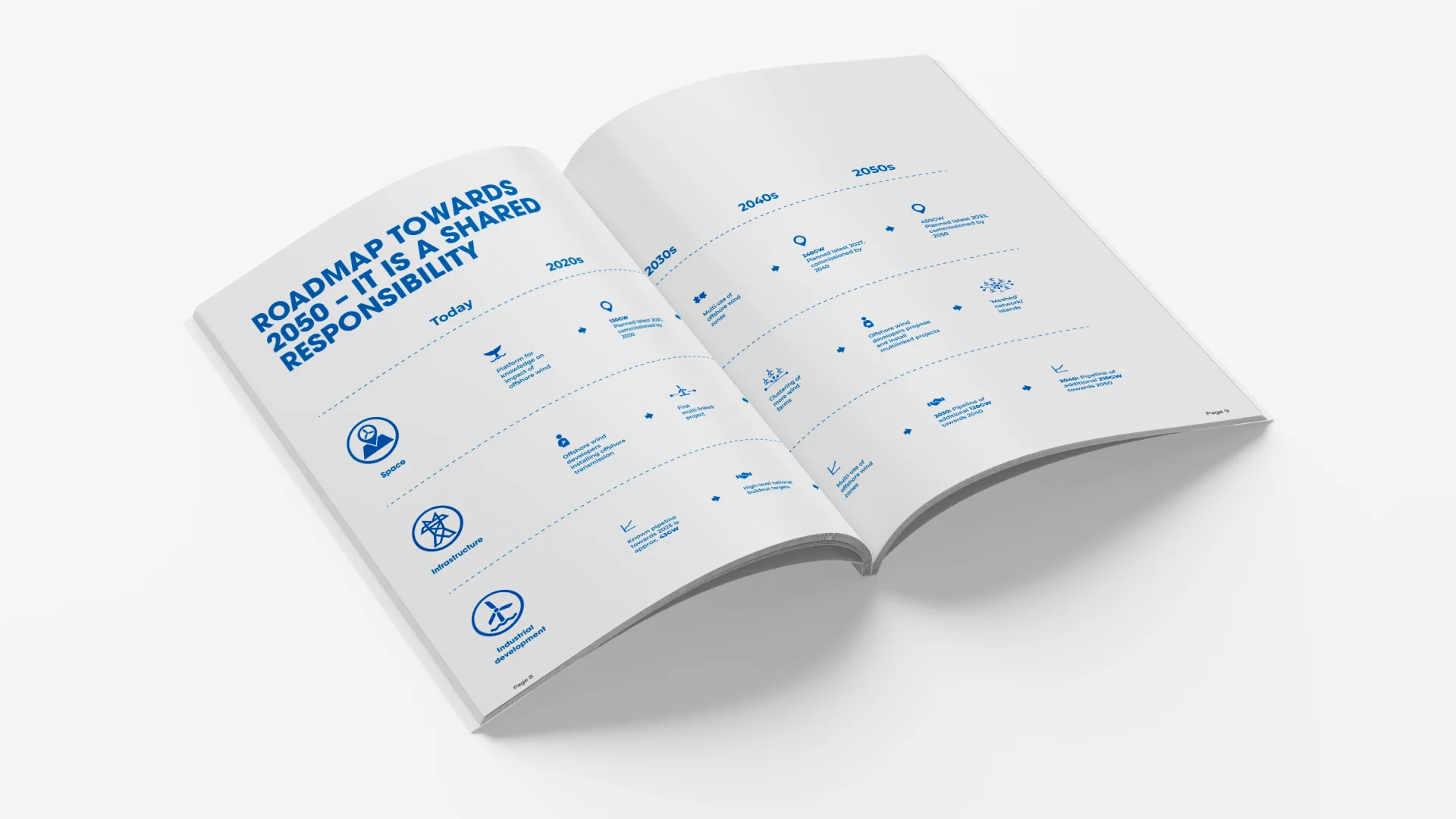
Typography, imagery and graphics play an essential role in effective corporate brochure communication. A clear typographic hierarchy helps readers navigate headings, subheadings and body content while maintaining legibility and visual consistency. Professional corporate photography should reflect the organisation's identity, capabilities and business environment. Infographics, charts and diagrams simplify complex information, making technical details and business data easier to understand. Descriptive captions provide additional context and improve content clarity. High-resolution images, appropriate print resolution and consistent graphic styles ensure professional reproduction across printed and digital formats. Together, these elements strengthen visual communication, information accessibility and the overall brochure reading experience.
An effective corporate brochure should guide readers toward a clear next step. Strategic call-to-action placement helps establish a logical conversion path, encouraging potential clients to request a quotation, schedule a consultation, explore services or contact the business. Use concise, action-oriented messaging supported by visible contact information, website links or QR codes. Align each CTA with the brochure's communication objectives and target audience. Thoughtful next-step messaging improves user engagement, supports lead generation and strengthens business communication.
Corporate brochure production requires careful attention to technical specifications and distribution formats. For print-ready artwork, establish trim size, margins, bleed, paper stock and CMYK colour settings to maintain production accuracy. Export high-resolution PDFs with appropriate image quality, embedded fonts and printer-approved specifications. For digital distribution, optimise PDF file size, navigation, hyperlinks and accessibility across devices. Consistent typography, readable layouts and properly structured content help ensure professional presentation, usability and visual clarity across both printed and digital corporate communication materials.
A structured corporate brochure planning checklist helps businesses organise information, establish communication priorities and prepare an effective design brief. Begin by defining business objectives, identifying the target audience and clarifying the central brand message. Collect approved company information, including services, capabilities and supporting evidence. Establish a logical content hierarchy, determine the brochure's page structure and select an appropriate format. Prepare brand assets, professional imagery and relevant graphics to support visual communication. Define a clear call to action, verify content accuracy, obtain stakeholder approvals and confirm print or digital production specifications before starting the design process.
Effective corporate brochure planning requires a clear understanding of content development, page count, visual complexity, photography, typography, and production specifications. Establishing a realistic budget helps businesses prioritise essential information, select suitable formats, and minimise unnecessary design revisions. Before finalising the brochure structure, organisations should evaluate the factors influencing brochure design cost in Mumbai, including creative development, custom graphics, print materials, and digital distribution requirements. Early budget planning supports efficient project execution and consistent corporate communication outcomes.
Planning a corporate brochure requires clear messaging, logical content hierarchy, engaging visual storytelling, and consistent brand presentation. A well-structured brochure helps businesses communicate their capabilities, solutions, and value propositions effectively. From information architecture and editorial layouts to typography, imagery, and production-ready artwork, every element contributes to professional corporate communication. DigiBrandX supports businesses in transforming their brochure plans into compelling marketing collateral. Explore our corporate brochure design services in Mumbai for strategic creative execution and design expertise.
Selecting a professional design partner requires evaluating industry experience, creative capabilities, content strategy and production knowledge. Businesses should review relevant portfolio projects, assess information architecture expertise and understand the agency's approach to visual storytelling, typography and brand consistency. Before appointing a creative partner, explore how to choose a corporate brochure design agency based on portfolio quality, communication processes, project deliverables and the ability to translate complex business information into clear, engaging corporate publications.
Selecting the right business communication format begins with understanding its purpose and audience. A corporate brochure typically highlights products, services, and value propositions, while a company profile presents organisational background, capabilities, and credentials. Understanding the differences between a corporate brochure and company profile helps businesses structure content, establish messaging priorities, and develop effective marketing collateral for stakeholders.
Planning a corporate brochure involves defining its purpose, identifying the audience, developing key messages, organising content, establishing the page structure, selecting visual elements and preparing the final artwork for print or digital distribution.
A corporate brochure typically includes a company introduction, value proposition, products or services, business capabilities, relevant achievements, supporting evidence and contact information. The content should reflect the intended audience and communication objective.
Corporate brochures can range from short four-page formats to detailed multi-page publications. The ideal length depends on the complexity of the business, available content, intended readers and distribution format.
Content hierarchy helps readers identify important information quickly. Clear headings, logical sequencing, concise copy and supporting visuals make business information easier to navigate and understand.
Businesses should establish the main content structure before developing detailed layouts. This reduces unnecessary revisions and helps ensure the design supports the intended messages rather than forcing content into an unsuitable visual format.
A successful corporate brochure combines clear business objectives, structured content, consistent brand messaging and purposeful visual design. From information architecture and editorial layouts to typography, imagery and production, every element should support the reader's understanding of your business. DigiBrandX helps organisations translate complex corporate information into cohesive marketing communication. Explore our corporate brochure design services in Mumbai to discuss your brochure requirements, content structure and creative direction.
Planning Your Project?